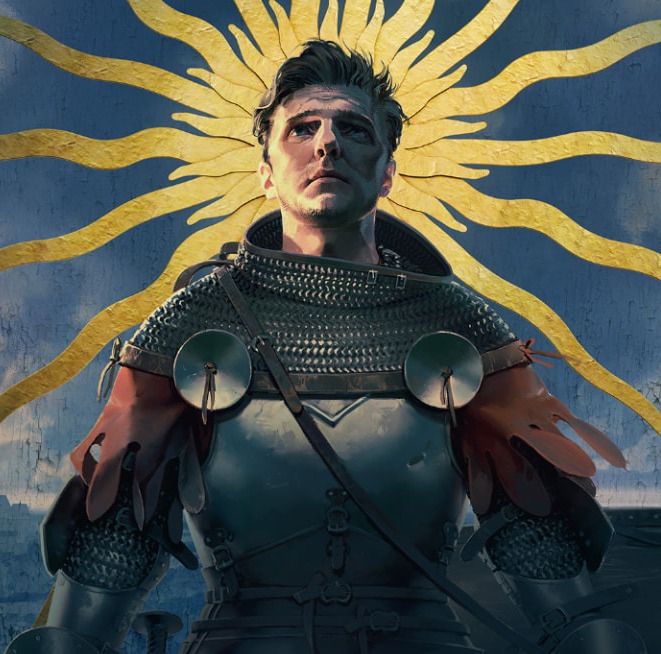
# Delving into the Nuances of *Saros*: An In-Depth Look at Housemarque’s Roguelike Shooter
Similar to the roguelike nightmare it embodies, every contemplation regarding *Saros*, Housemarque’s ambitious roguelike shooter, prompts fresh insights and reflections. Following the path laid by its spiritual forerunner, *Returnal*, *Saros* plunges players into abstract worldbuilding and elaborate symbolism, crafting a tapestry as challenging to understand as it is to traverse.
Housemarque’s evolution from an arcade-centric studio to a developer revered for its narrative excellence culminates in *Saros*, which enriches the storytelling depth present in *Returnal* while carving out its place within PlayStation’s extensive narrative collection. Even amidst this transformative journey, the studio has preserved its distinct identity within PlayStation’s competitive arena.
## The Narrative Structure of *Saros*
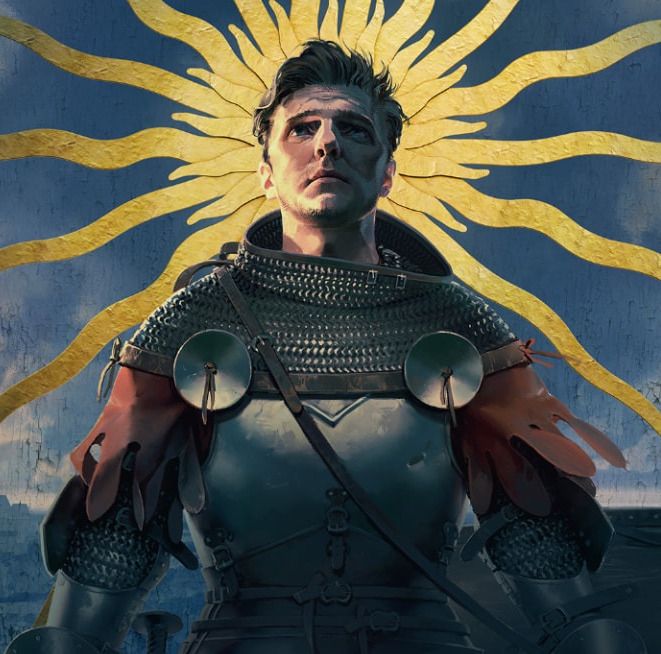
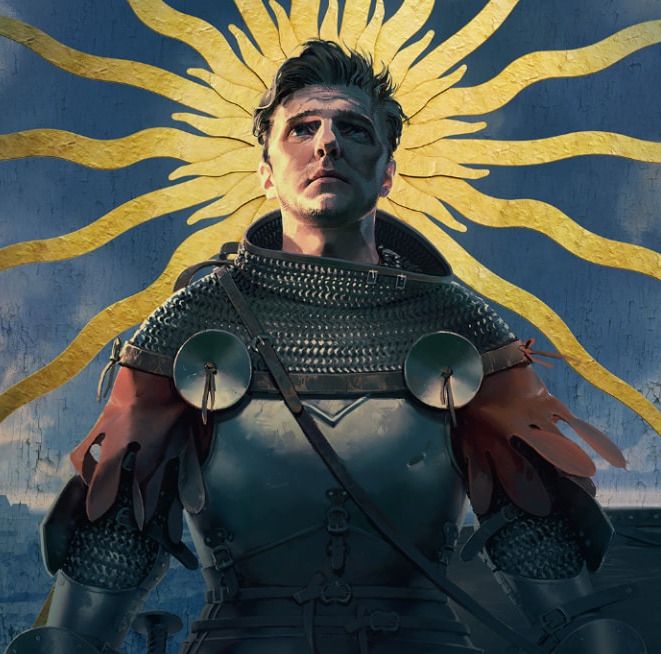
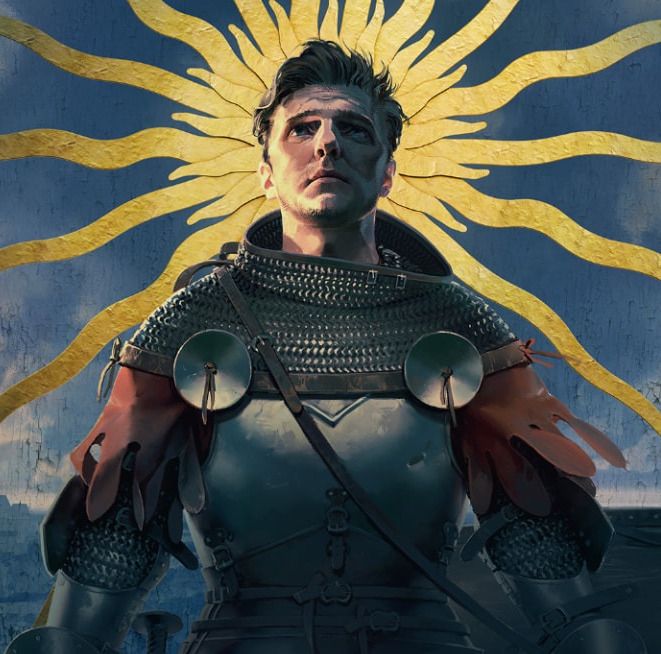
At its heart, *Saros* expands *Returnal*’s reflective storyline by interweaving an ensemble cast into its narrative tapestry. Players embody Arjun Devraj, a soldier linked to Soltari Corporation, who embarks on a mission to the mysterious planet Carcosa, a locale echoing the fictional city illustrated in Ambrose Bierce’s *The King in Yellow*. Although tasked with retrieving valuable assets, Arjun’s authentic goal is to locate a missing person from a previous mission.
Upon entering, the true essence of Carcosa unfolds. The planet, shrouded by an eerie solar eclipse, is in perpetual flux, throwing new dangers and challenges at every encounter. Each time Arjun ventures beyond the protective boundaries of his team’s base, the environment transforms, rendering every expedition unique. Arjun’s capacity to endure death, instigated by an enigmatic force, instills a repetitive experience where the terrain morphs with each of his demises.
## Psychological Thrills and Team Interactions
The gravest dangers in *Saros* emerge not from the menacing creatures inhabiting Carcosa, but from the mental strain afflicting the Echelon IV crew. As their mission’s pressure escalates, their adherence to protocol starts to disintegrate, creating distrust and paranoia that dismantle both their cohesion and sanity. While Arjun is the central character, the remaining crew members largely serve as illustrative tools that highlight the collective psychological burden, diminishing them to mere pawns within a broader narrative.
In spite of *Saros*’ ensemble cast, the game fundamentally revolves around Arjun’s odyssey, delving into his internal and external confrontations. This thematic concentration leaves other characters underdeveloped, making the initial perception of a varied cast somewhat misleading.
## Gameplay Mechanics: Balancing Challenge and Accessibility
*Saros* retains the severe difficulty that characterized *Returnal*, delivering a frantic fusion of shooting mechanics and chaotic bullet hell encounters. Nevertheless, it presents a gentler incline for newcomers, offering a more welcoming experience for those who found the predecessor daunting. Players take on the role of a relatively fragile character capable of enduring only a handful of hits before being sent back to base, where progress resets but resources remain intact for subsequent attempts.
The roguelike framework of *Saros* necessitates repeated efforts against unforgettable and intricate bosses. Each death serves as a learning moment, assisting players in refining their strategies and skills while gathering resources to enhance future attempts. The game’s mechanics highlight adaptability, compelling players to embrace experimentation as they face new weapons and unexpected trials.
## Tailoring the Difficulty: Customizing the Experience
A key highlight of *Saros* is its sophisticated approach to difficulty customization. Before every run, players can apply various modifiers that either grant advantages or introduce challenges, enabling a personalized gaming experience that honors player choice. Balancing damage reduction with resource management encourages a dynamic decision-making process, urging players to evaluate their strengths against upcoming threats.
The ability to modify difficulty while testing personal limits simultaneously fosters a distinctive experience. Adjusting these settings demands thoughtful consideration, creating a strategic complexity that can lead to victory or failure.
## Conclusion: The Dual Nature of *Saros*
*Saros* fluctuates between exhilarating sensations of power and instances of vulnerability, mirroring the unpredictability of its gameplay and storyline. Housemarque’s detailed design keeps players engaged, crafting experiences that continuously evolve based on player actions. While the game provides systems to lessen difficulty, it remains a vividly unpredictable challenge that encapsulates the essence of roguelike mechanics.
In an industry striving for uniformity, *Saros* distinguishes itself with its unique offerings—demanding yet gratifying gameplay, a richly woven narrative, and a deep dive into its protagonist’s psyche. Housemarque’s ability to infuse complexity within the chaos of Carcosa allows players to discover new insights and challenges with each revisit, rendering *Saros* a noteworthy addition to the gaming landscape.